Normalisasi Utang Digital melalui PayLater di Kalangan Generasi Z: Analisis Psikologi Ekonomi dan Sadd adz-Dzari'ah
DOI:
https://doi.org/10.59059/maslahah.v4i3.3181Keywords:
Digital Debt, Fear of Missing Out, Generation Z, PayLater, Sadd adz-Dzari’ahAbstract
The rapid development of financial technology has accelerated the adoption of Buy Now Pay Later (PayLater) services among Generation Z. Easy access, fast approval processes, and integration with digital commerce platforms have transformed PayLater from a payment alternative into a mechanism that normalizes consumer debt. This study aims to examine the causes of digital debt normalization among Generation Z through the perspectives of economic psychology and Islamic law, particularly the concept of sadd adz-dzari'ah. This research employs a qualitative library research approach using academic journals, books, regulations issued by the Financial Services Authority (OJK), and Islamic jurisprudence literature. Data were analyzed using content analysis by integrating Prospect Theory, the concept of pain of paying, Present Bias, and the principle of sadd adz-dzari'ah. The findings indicate that easy access to financial technology, Fear of Missing Out (FOMO), low financial literacy, and the psychological reduction of payment burden significantly encourage impulsive consumption and normalize digital debt among Generation Z. From the perspective of Islamic law, PayLater should be evaluated not only based on the validity of its contract but also on its social and behavioral consequences. Therefore, the application of sadd adz-dzari'ah serves as a preventive approach to minimizing potential harm and promoting financial responsibility among young consumers.
References
Ananda, N. D., & Daulay, M. A. (2026). Literature Review: Pengaruh Fear of Missing Out (FOMO) dan Penggunaan PayLater terhadap Perilaku Konsumtif Generasi Z dalam Perspektif Ekonomi Syariah. 25(5).
Aseri, A. K. H. F., A, E. R., & Hafidzi, A. (2025). GAYA HIDUP KONSUMTIF DAN REGULASI EKONOMI SYARIAH : ANALISIS QS AL ISRA’ 26-27 TERHADAP FENOMENA BUY NOW PAY LATER (BNPL) DI INDONESIA. Jurnal Ilmu Al-Qur’an Dan Tafsir, 7(1).
DeHaan, E., KIM, J., LOURIE, B., & ZHU, C. (2024). Buy now pay (pain?). Singapore Management University, 5586–5598.
Dekasari, Y., Pradana, K. C., & Daffallah, H. W. (2025). PENGARUH KEPERCAYAAN DAN PERILAKU KONSUMTIF TERHADAP KEPUTUSAN PEMBELIAN DIGITAL PADA MAHASISWA PENGGUNA SHOPEE PAYLATER. Jurnal Ilmiah Ekonomi Manajemen, 12(02), 264–277.
Dini Astarina. (2026). Pendekatan Metode Sadd Adz-Dzari ’ ah dalam Penyelesain Hukum : Studi tentang Konsep dan Relevansinya. 2(1).
Fitriani, S. A., & Baidhowi. (2025). Analisis Unsur Riba Dalam Sistem Pembayaran Paylater Berdasarkan Perspektif Hukum Ekonomi Syariah. 2(6), 294–300.
Ghafur, A., Imron, M., Rizal, M. S., & Idris, M. F. (2026). PRAKTIK PAYLATER DALAM PERSPEKTIF ISLAM : ANALISIS TERHADAP UNSUR RIBA , GHARAR , DAN ISRAF PADA. Jurnal Rumpun Manajemen Dan Ekonomi (JRME), 3(4), 602–619. https://doi.org/https://doi.org/10.61722/jrme.v3i4.11563
Husna, S. I., Azzahra, K. N., Aprilianti, A., Fauzan, D. A., Hasnarifa, N. S., Rustama, M. A. B., & Hidayat, S. (2026). Pengaruh Pinjaman Online dan Paylater terhadap Perilaku Konsumtif Masyarakat dalam Perspektif Maqashid Syariah. Al-Zayn: Jurnal Ilmu Sosial & Hukum, 4(4), 6197–6207.
Ismail, R. A., Abimanyu, M. R., Adiansyah, R. P., Yasmin, N., & Bahri, S. (2026). Analisis Penggunaan PayLater dalam Perspektif Fikih Muamalah Kontemporer dan Dampaknya terhadap Perilaku Konsumtif Mahasiswa. Journal of Artificial Intelligence and Digital Business (RIGGS), 5(2), 16052–16059.
Kamaluddin, I., & Sulton, H. (2026). Studies Tinjauan Maqasid Syariah dalam Penggunaan Shopee PayLater. AL-AFKAR : Journal for Islamic, 9(2), 285–298. https://doi.org/10.31943/afkarjournal.v9i2.2132.Review
Kinanti, T., Santoso, F., & Artha, B. (2026). Conceptualizing Dual Mechanisms of Decoupling: The Impact of Physical and Temporal Separation on The Intensity of Pain of Paying. Indonesia Ekonomic Journal, 2(1), 1112–1124.
Laibson, D. (1997). Golden eggs and hyperbolic discounting. The Quarterly Journal of Economics.
Putu, N., Anggraeni, N., & Darma, G. S. (2023). Pengaruh Kemudahan , Risiko , Gaya Hidup , dan Kepercayaan Terhadap Perilaku Konsumtif Pengguna Shopee Paylater di Indonesia. JPEK (Jurnal Pendidikan Ekonomi Dan Kewirausahaan, 7(2), 625–639. https://doi.org/10.29408/jpek.v7i2.21450
Santoso, A., Widowati, S. Y., & Kusnilawati, N. (2022). Keuangan-Perilaku Berhutang : Menakar Faktor- faktor Penentunya. 6(2014), 4232–4239.
Triyana, A. (2024). Analisis Perilaku Konsumtif Pengguna Layanan Buy Now Pay Later dalam Konsep Konsumsi Menurut Muhammad Abdul Mannan. Jurnal Ekonomi & Ekonomi Syariah, 7(2), 1445–1456.
Downloads
Published
How to Cite
Issue
Section
License
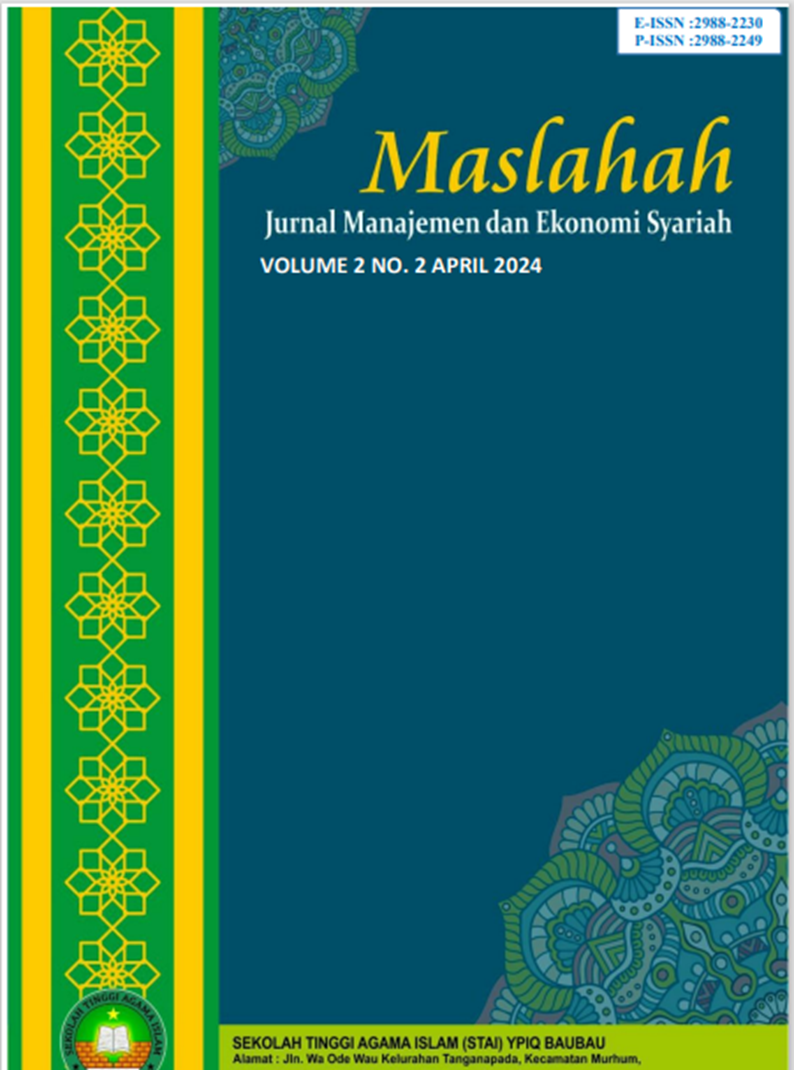
Copyright (c) 2026 Maslahah : Jurnal Manajemen dan Ekonomi Syariah

This work is licensed under a Creative Commons Attribution-ShareAlike 4.0 International License.